
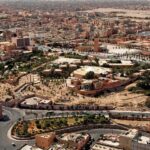
Western Sahara is a disputed territory located in North Africa, along the Atlantic Ocean. It borders Morocco to the north, Algeria to the northeast, and Mauritania to the east and south. The largest city is Laayoune, which functions as the administrative centre. The local currency used in most areas is the Moroccan dirham (MAD), due to Moroccan administration over much of the territory.
Fun fact: Around 80–90% of Western Sahara is desert, forming part of the vast Sahara Desert.
So, let’s break this country up into PARTS.
People
The people of Western Sahara are known as Sahrawis. They are primarily of Arab-Berber descent, with strong cultural and historical ties to nomadic desert life. Many Sahrawis have traditionally lived as pastoral nomads, moving across the desert with livestock.
The most commonly spoken language is Hassaniya Arabic, a dialect of Arabic unique to the region. Standard Arabic is also widely used, and Spanish may be spoken among older generations due to the territory’s history as a former Spanish colony.
Attractions
Due to its remote and largely desert landscape, Western Sahara is not a major tourist destination, but it offers unique natural and cultural experiences.
If you are visiting Laayoune, you can explore:
- The city’s markets (souks), where you can experience local Sahrawi culture
- The nearby Atlantic coastline, offering long, quiet beaches
Outside the main city, consider:
- Dakhla; a coastal city known for its lagoon, popular for water sports like kitesurfing
- The Sahara Desert itself; vast dunes and open landscapes ideal for desert excursions
- Remote nomadic settlements, where traditional lifestyles can still be observed

Rituals and Culture
Islam is the dominant religion in Western Sahara, with the majority of the population being Sunni Muslims. Religion plays an important role in daily life and cultural practices.
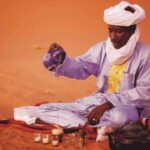
Sahrawi culture is deeply rooted in nomadic traditions. Hospitality is highly valued, and tea ceremonies are an important social ritual, often involving the preparation and serving of multiple rounds of sweet mint tea.
Cuisine reflects desert life, with simple but hearty dishes. Some traditional foods include couscous, camel meat, and milk-based products. Tea is a staple and central to social gatherings.
Tips
– Prepare for extreme weather: The desert climate means very hot days and cooler nights. Pack both light clothing and warmer layers.
– Stay hydrated: The dry environment can quickly lead to dehydration, so always carry plenty of water.
– Respect local customs: Dress modestly and be mindful of cultural and religious practices.
– Travel awareness: Western Sahara is a disputed region, so it’s important to check current travel advice and restrictions before planning a trip.
– Limited infrastructure: Facilities for tourists can be sparse outside major towns, so plan accordingly.
Stories
For more travel advice check out; FCO: Travel Advice
Outside of the UK: Please check your government’s travel advice carefully.